Supporting Refugees as They Settle and Build New Lives.
18 June, 2025· Article by David Brown


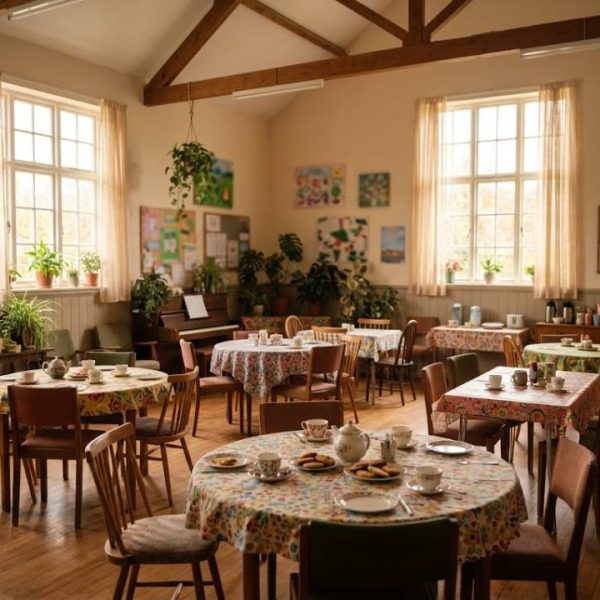
People who leave their homes because of conflict or danger arrive in new countries with courage and hope, but also with many practical needs. Communities, volunteers and organisations can make settling in easier. This guide shares respectful, practical ways to help refugees build new lives.
Begin With Respect and Listening
Every person has a unique history and strengths. Ask what help they want instead of assuming. Listening first is the foundation of every good support relationship. Dignity matters as much as practical help.
Understand Basic Needs First
Safe housing, food, clothing, health care and legal advice come first. Local services and charities can explain what is available, and volunteers can help people reach appointments.
Help With Housing Information
Finding a home can be confusing. Explain how renting works, what documents landlords ask for and where to seek advice. Clear guidance prevents costly mistakes in the early weeks.
Support Access to Health Care
Help families register with doctors, understand how appointments work and find interpreters. Many people carry stress and physical needs, so patient, gentle assistance makes a real difference.
Language Learning Opens Doors
Free community classes, conversation cafes and online lessons help newcomers connect with neighbours and employers. Encourage practice in everyday situations such as shops and school gates.
Provide Clear Written Information
Notices about services should use plain wording and short sentences. For Chinese speaking families, dependable english to simplified chinese translation makes forms and guides easier to understand.
Prepare Important Documents
Applications for schools, work and benefits often require official papers. Accurate birth certificate translation helps families prove identity and family relationships to authorities smoothly.
Support Children and Schools
Children need a gentle welcome. Meet teachers early, explain school routines and share information about clubs. Familiar routines and friendly classmates help young people feel secure again.
Help Adults Find Work
Explain how to write a CV, where to find vacancies and how to have qualifications recognised. Mentors, work placements and local employers can open doors that online applications alone cannot.
Recognise Skills and Qualifications
Many refugees were doctors, teachers, engineers and craftspeople. Advice on recognition of qualifications helps them return to meaningful work and contribute fully to their new community.
Build Social Connections
Invite newcomers to community meals, sports sessions and cultural events. Friendships reduce isolation, and shared activities allow everyone to learn about each other.
Respect Culture and Faith
Ask about food, prayer times and customs when planning events. Small adjustments show respect and make people feel truly welcome rather than merely tolerated.
Be Aware of Trauma
Many people have lived through painful experiences. Do not press for stories. Offer calm, predictable help and know where to direct people for professional support when needed.
Use Trusted Information
Reliable organisations explain rights and services. The UNHCR website provides clear information about refugee protection and ways communities can help.
Work With Interpreters Carefully
Professional interpreters protect accuracy and confidentiality. Avoid relying on children to interpret sensitive matters. Brief interpreters in advance and speak directly to the person you are assisting.
Offer Practical Items
Warm clothing, school supplies, bicycles and phone credit can be very helpful. Coordinate donations with local organisations so offers match real needs and nothing is wasted.
Help With Transport and Navigation
Show how buses, trains and maps work. A guided first trip to a clinic or school builds confidence. Simple route cards in several languages are valuable.
Support Women and Families
Childcare, women only sessions and flexible class times remove barriers to participation. Families thrive when mothers, fathers and children all have chances to learn and connect.
Protect Privacy
Handle personal information carefully, store documents securely and ask permission before sharing stories or photographs. Respect for privacy builds trust.
Challenge Prejudice Kindly
Share accurate information and personal stories when neighbours repeat myths. Calm conversation, rather than argument, often changes minds and creates a friendlier community.
Volunteer Sustainably
Choose commitments you can keep. Reliability matters more than dramatic gestures. Look after your own wellbeing so you can continue supporting others over many months.
Celebrate Achievements
Passing a driving test, finding a job or hosting a first dinner are important milestones. Celebrate them together and recognise the effort behind each step forward.
Keep Learning From Newcomers
Refugees bring languages, recipes, music and ideas that enrich communities. Welcome their contributions, and you will find that support flows in both directions.
Share Local Knowledge
Newcomers appreciate tips about shops, markets, libraries and quiet parks. Hand drawn maps or simple lists from neighbours often feel warmer and more useful than official leaflets.
Include Young People Early
Youth clubs, sports teams and school buddy schemes help teenagers make friends and practise language. Positive peer connections support confidence during a very uncertain period.
Stay Patient With Progress
Settling takes years, not weeks. Setbacks with paperwork or language are normal. Steady encouragement and reliable presence matter more than quick results.
Final Thoughts
Helping refugees settle is a long, shared effort built from many small acts of kindness. Choose one way to help this month, work alongside local organisations and keep listening. Welcoming communities grow stronger for everyone.
Recent Posts
How Diasporas Shape the Countr...
Diaspora und Heimat, wie Migra...
La diaspora marocaine en Franc...

Human Migration: The Forces Th...

Migrazione Globale E Cambiamen...

Migration Mondiale Et Son Infl...
Share it.

Links
We use cookies
We use cookies to give you the best online experience, remember your preferences, and understand how the site is used. You can accept all cookies, reject optional ones, or choose which categories to allow.
Privacy PolicyCookie preferences
Choose which cookies we can use. Necessary cookies stay on because the site cannot work without them.
For more details, read our Privacy Policy.