How Diasporas Shape the Countries They Leave Behind.
05 October, 2026· Article by Maria Jones


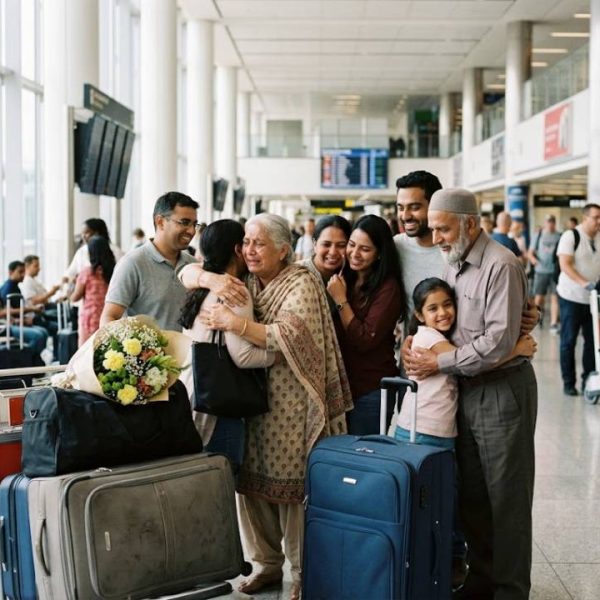
Every month, millions of people working abroad send money home. A nurse in London sends part of her salary to Manila. A construction worker in Dubai supports his family in Kerala. A software engineer in Berlin helps his parents in Kyiv. Taken together, these transfers add up to one of the largest financial flows on the planet.
But diasporas give far more than money. They carry skills, ideas, business networks and political opinions back and forth across borders, reshaping both the countries they left and the ones they now call home.
Migration by the numbers
According to the International Organization for Migration, around 280 million people live outside the country where they were born, roughly 3.6 per cent of the world population. Some moved for work or study, others fled conflict or persecution. Many stay connected to their homeland for generations.
Remittances sent to low- and middle-income countries exceed 600 billion dollars a year, more than official development aid and, in many countries, more than foreign direct investment. In places such as Tajikistan, Nepal, Honduras or Lebanon, remittances represent a large share of the national economy.
More than money
Skills and knowledge
Returning migrants often bring back professional experience, technical knowledge and new management practices. Doctors trained in Europe open clinics in their hometowns. Engineers who worked in Silicon Valley launch start-ups in Bangalore, Lagos or Bucharest. This so-called brain circulation can partly offset the losses caused by brain drain.
Investment and entrepreneurship
Diaspora members frequently invest in property, family businesses and local projects. Some governments actively court them with diaspora bonds, special investment programmes and dual citizenship. Israel, India and Ethiopia have all experimented with ways to channel diaspora capital into national development.
Businesses have noticed the same pattern from the other side. Diaspora communities are loyal and reachable audiences, yet they respond best to messages written for their own language and culture rather than adapted as an afterthought. That is why brands courting these customers invest in marketing translation services that reshape slogans, offers and imagery for each community. Campaigns that sound local earn trust in both the host country and the homeland.
Social and political influence
Diasporas also shape attitudes. Migrants exposed to different ideas about gender roles, democracy or education often share them with relatives back home, a phenomenon researchers call social remittances. In some countries, overseas voters have swung elections.
Case study: Morocco and France
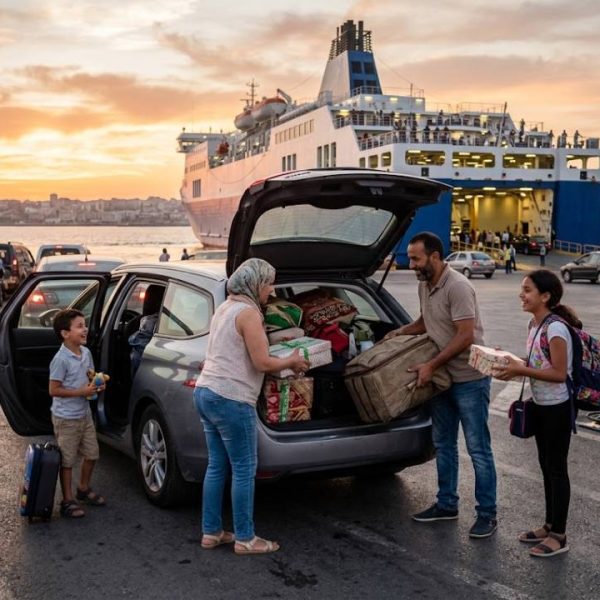
Several million people of Moroccan origin live in Europe, with France hosting the largest community. Every summer, hundreds of thousands drive across Spain to cross the Strait of Gibraltar, bringing gifts, savings and news. Moroccan diaspora investment has helped transform towns in the Rif and the Souss region.
Families living between France and Morocco handle a constant flow of paperwork: civil records, property deeds, inheritance documents and school certificates, often in French and Arabic. Reliable french document translation services help them navigate administrations in both countries, especially when documents must also be presented in English for work or study elsewhere.
Case study: Ukraine
Since 2022, millions of Ukrainians have found refuge across Europe and beyond. Many hope to return; others are building new lives. Either way, they remain deeply connected to Ukraine, sending money, volunteering and organising support. The Ukrainian diaspora in Canada, the United States, Poland and Germany has become a powerful advocate for the country.
For Ukrainians abroad, documents are a daily concern: birth certificates for children born in exile, diplomas for job applications, medical records and legal papers. A qualified ukrainian to english translator is often the bridge between a displaced professional and a new career.
Case study: Turkey and Germany
The Turkish community in Germany dates back to the guest worker agreement of 1961. Today, around three million people with Turkish roots live in Germany. Their economic and cultural ties to Turkey are strong, and second and third generations often move between both countries for study, business or family.
Researchers, journalists and international organisations studying this relationship frequently rely on German-language sources, from government reports to local newspapers. Professional german to english translation services make these sources available to a global audience interested in one of Europe's most significant diaspora stories.
Changing attitudes in host countries
Public attitudes toward migration vary widely and shift with economic conditions and politics. Surveys show that people who personally know migrants tend to hold more positive views. Diaspora communities that are visible in business, culture and sport often help normalise migration in public opinion, while tensions rise when integration falters or political rhetoric hardens.
How a society talks about migration often matters as much as the numbers themselves.
The challenges
- High fees on money transfers still eat into remittances.
- Brain drain leaves some countries short of doctors, nurses and teachers.
- Second generations may feel torn between two identities.
- Bureaucracy and documents create barriers for families living across borders.
- Political tensions can turn diasporas into targets.
Looking ahead
Climate change, demographic shifts and conflict will keep people on the move. Ageing societies in Europe and East Asia will need workers, while young populations in Africa and South Asia seek opportunities. Diasporas will continue to link these worlds.
For the people involved, migration is rarely a single journey. It is a lifelong conversation between two places, carried on in many languages.
Recent Posts

Diaspora und Heimat, wie Migra...
La diaspora marocaine en Franc...

Human Migration: The Forces Th...

Migrazione Globale E Cambiamen...

Migration Mondiale Et Son Infl...

How Fear and Discrimination Di...
Share it.

Links
We use cookies
We use cookies to give you the best online experience, remember your preferences, and understand how the site is used. You can accept all cookies, reject optional ones, or choose which categories to allow.
Privacy PolicyCookie preferences
Choose which cookies we can use. Necessary cookies stay on because the site cannot work without them.
For more details, read our Privacy Policy.