Migration and Diaspora Impact on Countries of Origin.
26 March, 2026· Article by David Brown


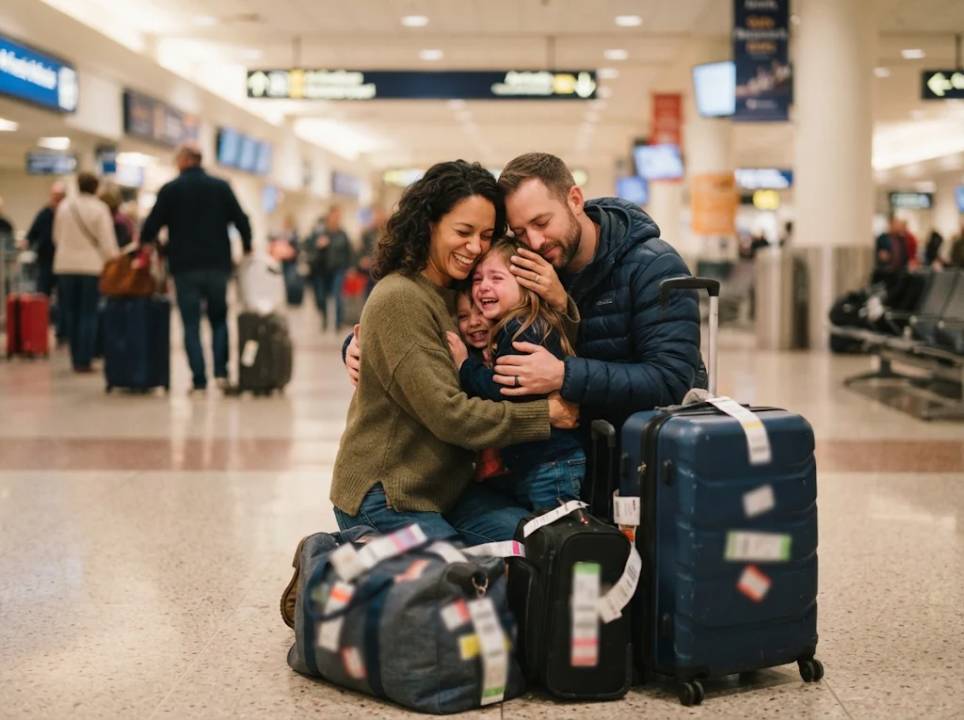
More than 280 million people live outside the country where they were born. Some left to study or work, some to join family and some to escape war, persecution or disaster. Migration changes the lives of those who move, the places that receive them and the countries they leave behind. Understanding both sides of this story, including the role of the diaspora, helps societies respond with realism and humanity.
Why People Migrate
Reasons are usually a mix of push and pull factors. Conflict, poverty, lack of opportunity and climate pressures push people away, while jobs, education, safety and family ties pull them toward new places. Decisions are rarely simple and often involve whole families.
Refugees are a particular group. They flee persecution or violence and have a right to international protection under the 1951 Refugee Convention.
Refugees, Migrants and Displaced Persons
Terms matter. Refugees cross borders to escape danger, asylum seekers have applied for protection but not yet received it, and internally displaced people remain inside their own country. Migrants move for other reasons, though many also face hardship.
Using accurate terms protects rights and avoids confusion in public debate, since legal protections depend on a person status.
The Journey and Reception
Journeys can be long, dangerous and expensive. On arrival, people need shelter, health care, legal advice, language courses and a path to work. Reception systems vary, and delays in procedures can leave families in uncertainty for years.
Community groups, local governments and volunteers often provide crucial support alongside official services.
Integration and Everyday Life
Successful integration is a two-way process. Newcomers learn the language, find work and build networks, while host communities adapt and make space. Schools, employers and neighborhood groups play a major role.
Recognition of qualifications, access to training and protection against discrimination make a lasting difference.
What Is the Diaspora?
A diaspora is a community of people who live outside their country of origin but maintain ties with it. They send money, share skills, invest, create businesses and influence politics and culture. Many contribute to both their homeland and their new country.
The International Organization for Migration publishes research on migration trends, policies and diaspora engagement that helps governments and communities understand these links.
Remittances and Economic Impact
Money sent home by migrants forms a major source of income for many countries, often larger than foreign aid. Families use remittances for food, housing, education and small businesses. High transfer fees reduce the benefit, and reducing them is a global goal.
Diaspora investment and trade also create jobs and link markets.
Brain Drain and Brain Circulation
When skilled workers leave, origin countries can lose doctors, engineers and teachers. At the same time, migrants may return, mentor others, start businesses or transfer technology. Policies that encourage circular migration and professional networks turn potential loss into shared gain.
Universities, hospitals and companies increasingly build partnerships across borders.
Culture, Identity and Belonging
Migration shapes music, food, language and values on both sides. Children of migrants navigate several cultures and often become bridges. Maintaining the mother tongue supports identity and learning.
Respect for diversity enriches communities and reduces tension.
Documents, Language and Legal Processes
Applications for residence, family reunification, study and work require identity papers, certificates and official letters, many of which must be translated and certified. Applicants from Eastern Europe often use english to bulgarian translation services for birth certificates and records.
Our notes on immigration document translation explain how translation requirements work in a typical program and why accurate wording matters.
Rights, Protection and Safety
International law protects refugees from being returned to danger. Everyone has human rights regardless of status, including protection from trafficking and exploitation. Access to legal aid and interpreters ensures fair procedures.
Reliable information helps people avoid scams and unsafe routes.
Policies and Public Debate
Governments balance security, economic needs and humanitarian duties. Evidence-based policy requires good data and honest discussion. Misinformation and fear can distort debate.
Readers should check sources, look for statistics from reputable bodies and listen to people with lived experience.
How Communities Can Help
Volunteer with local organizations, offer language practice, share job contacts, donate to trusted charities and welcome newcomers at community events. Small acts create belonging.
Employers can recruit fairly and offer mentoring.
Final Thoughts
International migration and diaspora connections shape the modern world. Understanding the causes, the challenges and the opportunities leads to better decisions and kinder communities.
Every person on the move has a story worth hearing.
Return, Reintegration and Circular Migration
Some migrants return home after years abroad, bringing savings, skills and new ideas. Reintegration is not always easy, since labor markets and family situations may have changed. Programs that provide training, credit and recognition of foreign qualifications help returnees restart their lives.
Circular migration, where people move back and forth for study or work, allows both countries to benefit while reducing permanent separation.
Children, Education and Family Reunification
Children who move across borders face new schools, languages and friendships. Early language support, welcoming teachers and contact with peers help them settle. Families separated by migration depend on reunification rules and on clear information about documents and timelines.
Delays and uncertainty affect mental health, so quick and fair procedures matter.
Language Support in Reception Centers
Interpreters and translators are essential in registration offices, clinics and schools. Clear forms in several languages, simple signs and trained cultural mediators reduce errors and fear. Telephone and video interpreting can fill gaps in remote areas.
Funding for language services is an investment, since misunderstandings lead to delays, mistakes and higher costs later.
Diaspora Organizations and Hometown Associations
Migrants often form associations that raise money for schools, clinics, wells and roads in their home villages. These groups combine local knowledge with funds from abroad and can respond faster than large institutions. Transparency and joint planning with local authorities make projects last.
Governments and development agencies increasingly partner with diaspora groups on health, education and business projects.
Digital Tools for Staying Connected and Sending Money
Messaging apps, video calls and mobile wallets let families stay in touch and move money across borders at lower cost than before. Compare fees and exchange rates, and use regulated providers.
Be careful with scams that target people who send money, and verify requests that arrive by message.
Return Migration, Entrepreneurship and Investment
Some migrants return to start businesses, bringing capital, skills and international contacts. Diaspora bonds, investment funds and co-working hubs help channel resources into local companies. Clear regulation and trusted institutions encourage investment.
Returnees can also mentor young entrepreneurs and connect them with overseas markets.
Telling Migration Stories Responsibly
Journalists, researchers and community groups should present migrants as individuals with agency, not only as numbers. Ask for consent, protect people at risk and include a range of experiences, from success stories to hardship.
Balanced storytelling reduces prejudice and supports better public decisions.
Recent Posts
How Diasporas Shape the Countr...
Diaspora und Heimat, wie Migra...
La diaspora marocaine en Franc...
Human Migration: The Forces Th...

Migrazione Globale E Cambiamen...

Migration Mondiale Et Son Infl...
Share it.

Links
We use cookies
We use cookies to give you the best online experience, remember your preferences, and understand how the site is used. You can accept all cookies, reject optional ones, or choose which categories to allow.
Privacy PolicyCookie preferences
Choose which cookies we can use. Necessary cookies stay on because the site cannot work without them.
For more details, read our Privacy Policy.