How Global Migration Is Quietly Reshaping Societies.
12 December, 2025· Article by Taylor Anderson



Across continents and time zones, people are on the move in numbers unseen before in human history. This constant flow of students, professionals, refugees, investors, and digital nomads is quietly changing how we live, work, and relate to each other. From the foods on our tables to the languages heard in our streets and the policies debated in parliaments, today’s societies are increasingly shaped by the movement of people across borders.
Amid this transformation, communication is becoming a strategic asset. Governments, NGOs, and businesses that interact with multinational audiences must navigate cultural nuance as much as vocabulary. Professional language solutions, including specialized german translation services, help institutions, brands, and communities keep pace with rapid demographic shifts and cross-border connections.
1. Labor Markets Are Becoming More Flexible and Competitive
One of the most visible effects of migration is the way it reshapes labor markets. Skilled and unskilled workers alike are filling gaps in industries ranging from healthcare and construction to technology and academia. This produces several knock-on effects:
- Addressing skill shortages: Aging populations in many developed countries create urgent demand for nurses, caregivers, engineers, and IT specialists. Migrant workers are often the first to fill those vacancies.
- Raising or stabilizing productivity: New skills and perspectives introduced by mobile professionals can complement local expertise, helping companies innovate faster and stay globally competitive.
- Rebalancing wage structures: In some sectors, a larger workforce can ease labor cost pressure, while in others specialized migrants command higher pay, pushing companies to invest more in productivity-enhancing technology and training.
This reconfiguration of labor is not uniform. Some regions face “brain drain” as educated workers depart; others benefit from a “brain gain” of experts they might not have trained locally. Policy choices, integration strategies, and investment in language and cultural mediation determine whether societies harness or squander these shifts.
2. Cities Are Turning Into Multilingual Hubs
Urban centers are on the front line of demographic change. Major cities worldwide have seen rapid growth of foreign-born residents, resulting in:
- Multilingual neighborhoods: Shops, schools, and public spaces now operate in multiple languages. This drives demand for translated signage, multilingual public services, and culturally sensitive advertising.
- Cultural clustering and cross-pollination: Ethnic districts form naturally, but so do hybrid spaces where cuisines, music, and art blend into something entirely new.
- New forms of civic participation: City governments must adapt to residents who vote, pay taxes, and raise families while speaking different native languages and following different traditions.
Urban multilingualism is both a challenge and an opportunity. When public agencies, educators, and healthcare providers communicate effectively with diverse populations, cities become more inclusive and resilient. When they fail to do so, mistrust and misinformation can proliferate, undermining social cohesion.
3. Education Systems Are Being Rewritten
Classrooms in many countries now host students who speak half a dozen mother tongues. This pushes education systems to evolve in several directions:
- Language support programs: Schools increasingly offer additional language classes and bilingual education to help newcomers integrate without losing their linguistic heritage.
- Revised curricula: History, literature, and social studies are being updated to include wider perspectives that reflect students’ diverse backgrounds.
- Teacher training: Educators need tools for managing multicultural, multilingual classrooms, addressing bias, and engaging parents who may not speak the local language.
These changes don’t only affect migrant students. Local learners also grow up in a more international environment, where exposure to different languages and cultures becomes part of their everyday reality and future employability.
4. Culture, Media, and Everyday Life Are Blending
Migrants bring music, films, fashion, and food cultures that often move from the margins to the mainstream. Over time, this quiet cultural exchange reshapes identities and habits:
- Hybrid cultural products: Fusion cuisine, cross-genre music, and collaborative art reflect influences from multiple regions, appealing to global audiences.
- Media localization: TV shows, podcasts, books, and online content are increasingly adapted and subtitled for multiple markets, allowing stories to travel beyond language barriers.
- New consumer expectations: People become accustomed to accessing information and entertainment in their preferred language, pressuring brands and institutions to offer localized experiences.
This blending doesn’t erase original cultures; instead, it creates layered identities where people feel connected simultaneously to local traditions and faraway influences.
5. Politics and Policy Are Shifting Focus
Migration is reshaping not only demographics but also political debates and policy priorities. Governments respond in varied ways:
Migration reshapes markets as well as societies, and software products feel that shift before most sectors do. Teams responding to it discover that saas localization is never finished, because each release adds strings, flows and edge cases that the previous pass never saw. Treating it as a one-off project is the usual mistake.
- Redefining citizenship and rights: Countries revisit rules about residency, work permits, voting, and access to social services, often sparked by migration pressures.
- Integration vs. exclusion: Some states invest in language training, recognition of foreign credentials, and anti-discrimination measures; others tighten borders and restrict benefits.
- International cooperation: Cross-border labor agreements, refugee resettlement frameworks, and student exchange programs become essential components of foreign policy.
The public narrative around migration can influence social cohesion for decades. Balanced, fact-based communication helps societies manage change constructively, while alarmist or divisive rhetoric can polarize communities and disrupt long-term planning.
6. Business Strategies Are Going Transnational
Companies in almost every industry are reorganizing around a workforce, customer base, and supply chain that cross national borders:
- Global talent pools: Firms recruit specialists wherever they are found, often assembling teams that collaborate across languages and time zones.
- Localized products and services: Businesses tailor offers to the cultural preferences and legal frameworks of multiple countries simultaneously.
- Risk and opportunity management: Political and regulatory changes in one region can affect operations worldwide, requiring strong cross-cultural intelligence.
Clear, accurate communication sits at the heart of these strategies. Misunderstandings caused by language gaps can derail deals, damage trust, or expose companies to compliance risks. That is why professional translation and localization are no longer side tasks; they are embedded in core operations for organizations committed to sustainable international growth.
7. Identity and Belonging Are Being Redefined
Beyond economics and politics, perhaps the most subtle transformation occurs at the personal level. Individuals navigate multiple identities—ethnic, national, linguistic, professional—and reconcile them in new ways:
- Multiple homes and loyalties: People maintain emotional and financial ties to several countries at once, challenging traditional ideas of single-national belonging.
- Language as identity: Many migrants balance the language of origin with the language of their new environment, shaping how they think, dream, and relate to family and colleagues.
- Transnational communities: Diasporas build global networks that support business, philanthropy, and cultural exchange, blurring the lines between “here” and “there.”
As more people grow up in multicultural households or move several times in their lives, societies slowly adapt their definitions of community, heritage, and inclusion to match this lived complexity.
Communication as the Quiet Engine of Change
Global mobility is transforming societies in ways that are sometimes loud and visible but often subtle and cumulative. Labor markets, cities, education systems, culture, politics, business strategies, and personal identities are all evolving under its influence. At the center of this transformation lies a simple fact: none of these changes can function without effective communication.
When institutions, companies, and communities invest in precise, culturally aware translation and interpretation, they create channels for trust, opportunity, and shared understanding. In an era defined by movement and interconnection, bridging languages is not just a technical necessity; it is a foundational step toward building societies that can adapt, thrive, and include everyone who calls them home.
Recent Posts
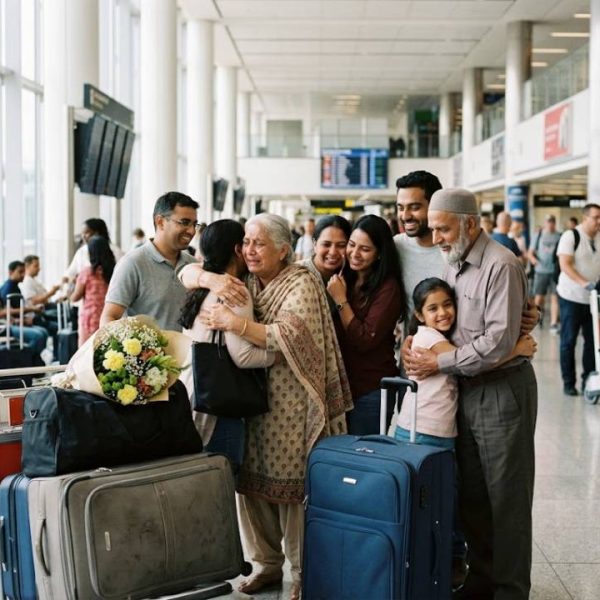
How Diasporas Shape the Countr...

Diaspora und Heimat, wie Migra...
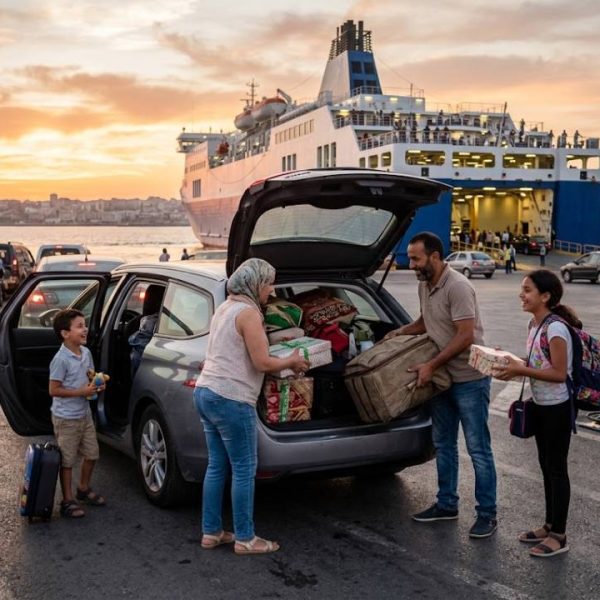
La diaspora marocaine en Franc...
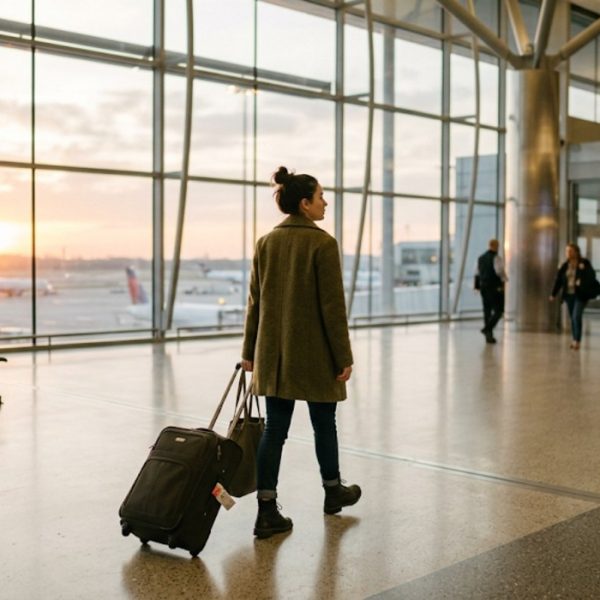
Human Migration: The Forces Th...

Migrazione Globale E Cambiamen...

Migration Mondiale Et Son Infl...
Share it.

Links
We use cookies
We use cookies to give you the best online experience, remember your preferences, and understand how the site is used. You can accept all cookies, reject optional ones, or choose which categories to allow.
Privacy PolicyCookie preferences
Choose which cookies we can use. Necessary cookies stay on because the site cannot work without them.
For more details, read our Privacy Policy.